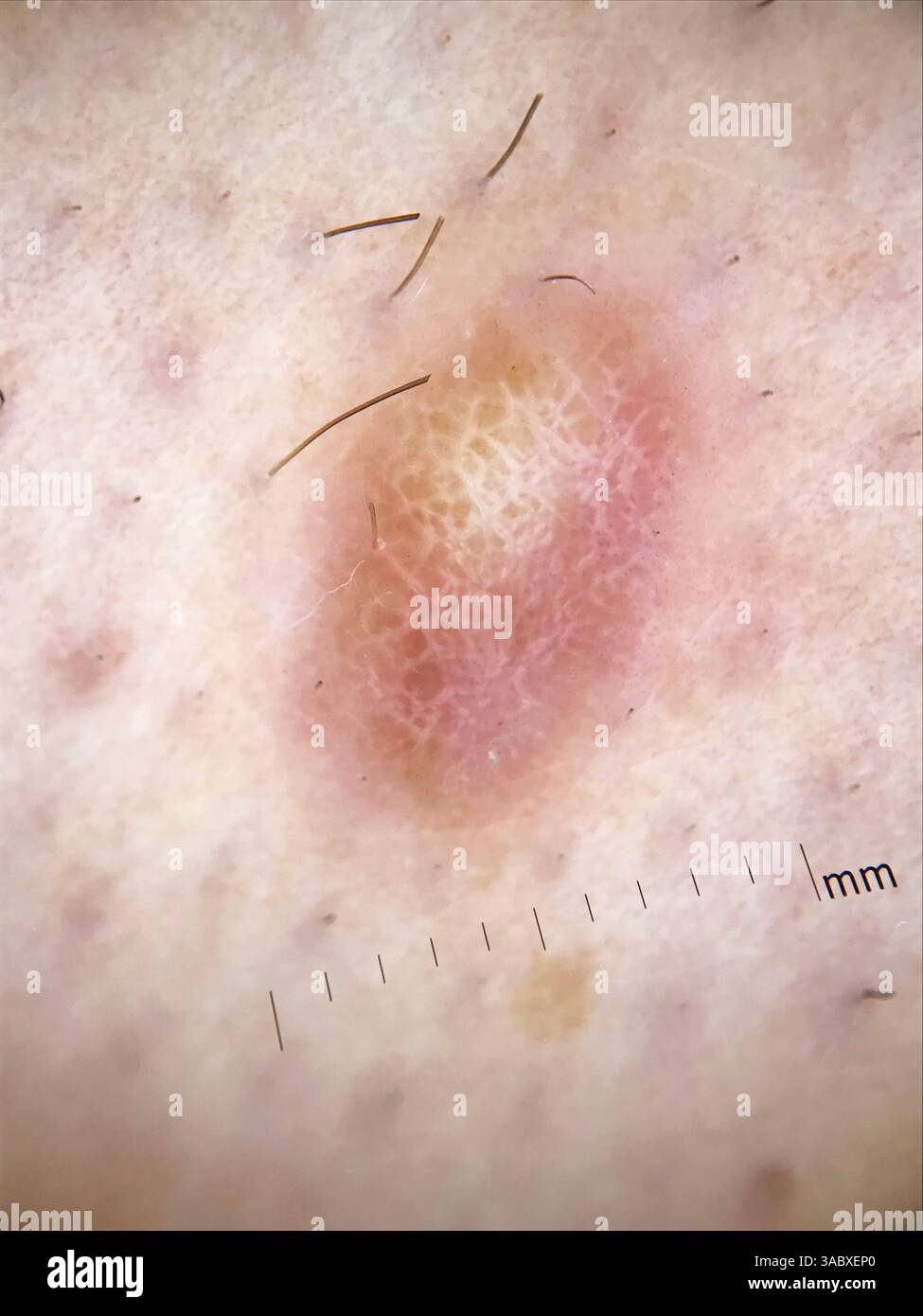
What Is Dermatofibroma?
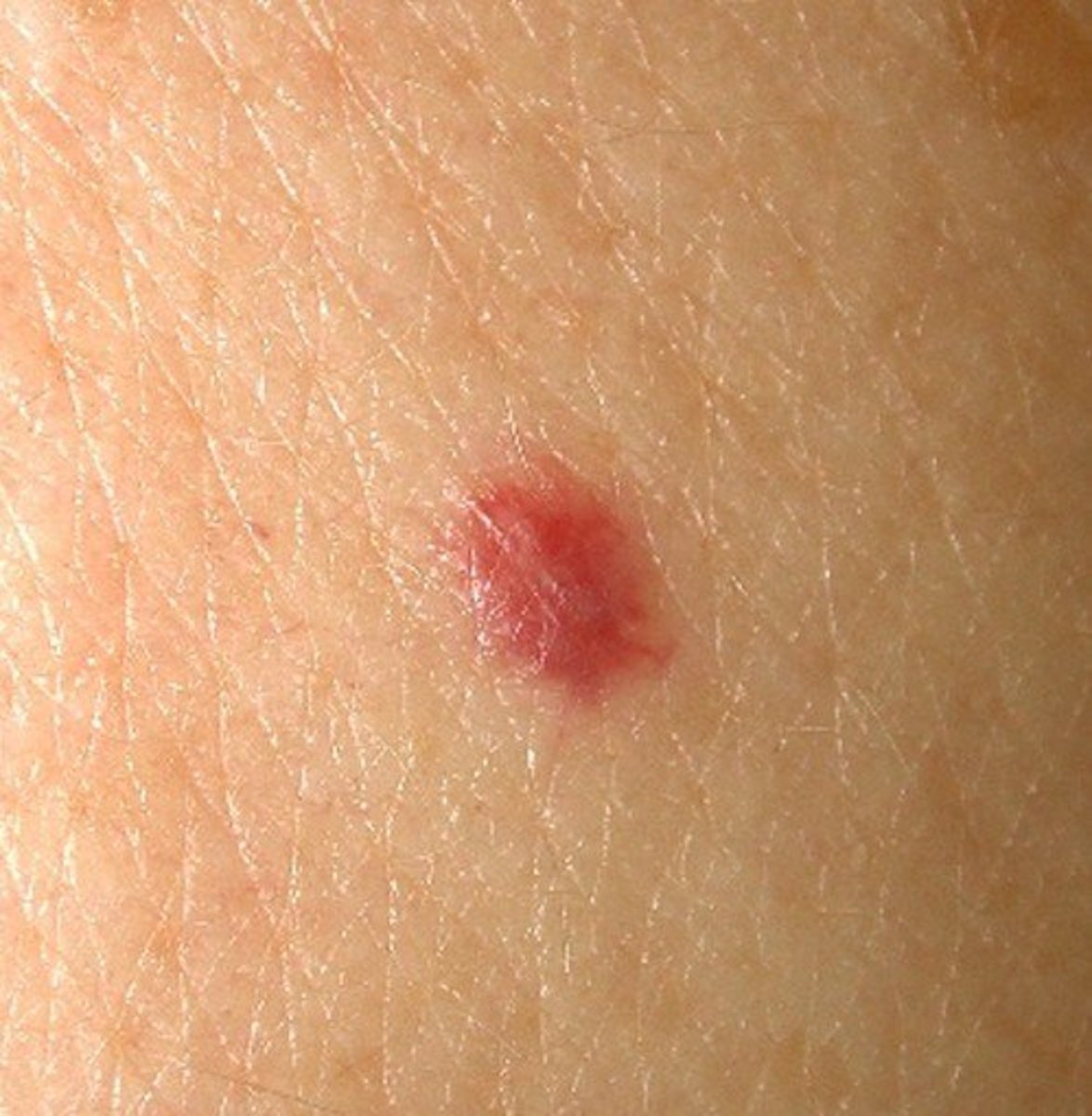
What's A Dermatofibroma? If a person is fretted about a bump like this, a dermatologist needs to have the ability to detect it visibly. While they are rarely dangerous, dermatofibromas ca be gotten rid of operatively to establish if it is a malignant bump on the person's body. Usually, only one will certainly show up on the body, while it is possible to have several. The slow-growing bumps develop when a hair follicle or oil gland is obstructed or damaged. A lot of skin cysts are benign (not cancer cells) and will not need therapy unless they injure, leakage, or trouble you. But it's finest to have a doctor check them to eliminate a much more severe problem, particularly if they get red, agonizing, or inflamed. Hemosiderotic DF (additionally called sclerosing hemangioma) poses a diagnostic difficulty as a result of its similarity to vascular lumps or cancer malignancies on dermatoscopy.
What Are The Clinical Functions Of Dermatofibroma?
- You could begin seeing them in your 30s and 40s, and obtain more of them as you age.
- If you've searched for dermatofibroma removal lotion, you'll have seen items declaring to "liquify" the bump, "damage down mark tissue," or "get rid of fibromas normally".
- A. A dermatofibroma is a typical noncancerous (benign) development that typically develops on the legs and arms.
- Seborrheic keratosesstart tiny, yet they can expand to greater than an inch vast.
- Any procedure that cuts or dramatically disrupts skin can leave a mark.
Why Does A Dermatofibroma Kind?
Eruptive lesions may take place in clients who have HIV, are immunosuppressed, are on HAART, or are pregnant. When a healthy protein called keratin connects up your hair follicles, you can obtain tiny pointed pimples, a condition called keratosis pilaris. The sandpaper-like bumps typically base on arms, butts, and thighs. The usual condition is typically acquired, and commonly disappears as you grow older. You don't require therapy, but skin lotions, a take in a warm bath, and peeling may assist.Will insurance policy cover dermatofibroma removal?
Insurance policy doesn't cover mole removal for aesthetic reasons. However, if a physician identifies a mole to be suspicious for development of skin cancer cells, insurance coverage will generally cover all or component of the removal cost. GoodRx Friend: Head to toe benefits. One low monthly rate.